

Unraveling the psychological triggers that drive casino gambling behavior
Unraveling the psychological triggers that drive casino gambling behavior
The Thrill of Uncertainty
The excitement inherent in casino gambling largely stems from the thrill of uncertainty. Players are often driven by the unpredictable nature of games, which creates a sense of anticipation. This unpredictability activates the brain’s reward system, resulting in a surge of dopamine. You can explore a nostalgic gaming experience at frivclassic, where the pleasurable feelings associated with potential wins can overshadow the risk of losses. This prompts individuals to gamble repeatedly, even when logic might advise against it.
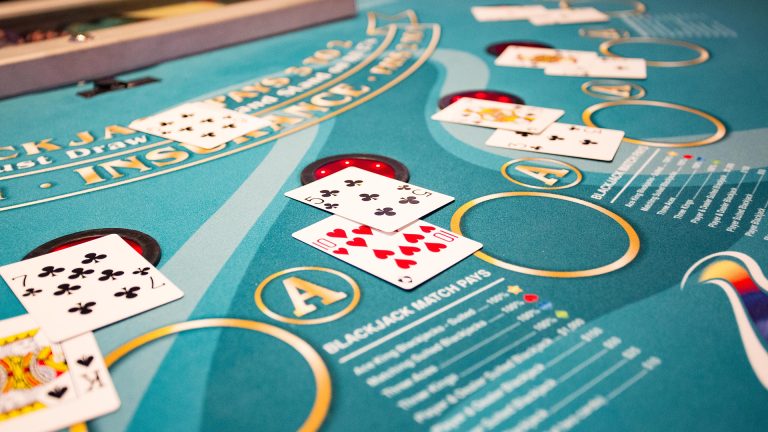
This phenomenon is accentuated by the design of casino games, which are often engineered to maximize this emotional rollercoaster. The sounds, lights, and visuals are tailored to create an immersive environment that heightens feelings of excitement. When players experience a near-miss, such as a spin that almost results in a win, it triggers a desire to continue playing, reinforcing the behavior despite a lack of tangible rewards.
Social Influences and Peer Pressure
The social environment plays a crucial role in shaping gambling behavior. Casinos often provide a communal atmosphere where individuals can engage with friends or strangers, fostering a sense of belonging. This social aspect can encourage people to gamble, driven by the influence of peers. Group dynamics can lead to individuals making decisions they might not consider if they were alone, often resulting in increased gambling activities.
Behavioral Conditioning and Reinforcement
Behavioral conditioning is a significant factor in driving gambling behavior. Casinos employ various strategies to reinforce gambling activities, such as loyalty programs and comp points. These systems reward players for their time and money spent, creating a cycle of reinforcement that encourages continued participation. The more a player invests in gambling, the more they may feel compelled to continue to ‘chase’ losses or seek additional rewards.
The Role of Cognitive Biases
Cognitive biases significantly impact how individuals perceive gambling outcomes and make decisions at the casino. One prevalent bias is the illusion of control, where gamblers believe they can influence outcomes in games of chance. This misconception can lead players to engage more frequently, as they feel a sense of agency in their betting strategies, even in games where outcomes are purely random.

Exploring Alternatives and Resources
For those who find themselves drawn into the world of gambling, it’s important to be aware of alternatives and resources that can provide support. Many organizations offer guidance for individuals struggling with gambling addiction, emphasizing healthy coping mechanisms and lifestyle changes. Awareness of these resources can help gamblers recognize when their behavior may be problematic and motivate them to seek help.


